
HMRC scraps paper VAT registration
From 13 November HMRC will abolish the paper VAT registration form. How will new applications be made from that date?
Related Topics
-
Save tax by combining directors’ loan accounts
You started a company last year and it’s time to prepare its first accounts. Your director’s loan account (DLA) is in credit but your spouse’s is overdrawn. Might amalgamating the DLAs avoid or reduce a tax charge?
-
Updated guidance on mandatory payrolling of benefits in kind
Much like the rollout of mandatory payrolling of benefits in kind, HMRC guidance on the matter is coming in dribs and drabs. What's the latest?
-
Give your children a cheap mortgage
Your son is struggling to get on the property ladder and current mortgage interest rates are making it harder. You’re over the inheritance tax (IHT) threshold but you’re reluctant to give him the money because you’ve heard horror stories about others losing half of it in a divorce. Is a family loan the solution for both of you?
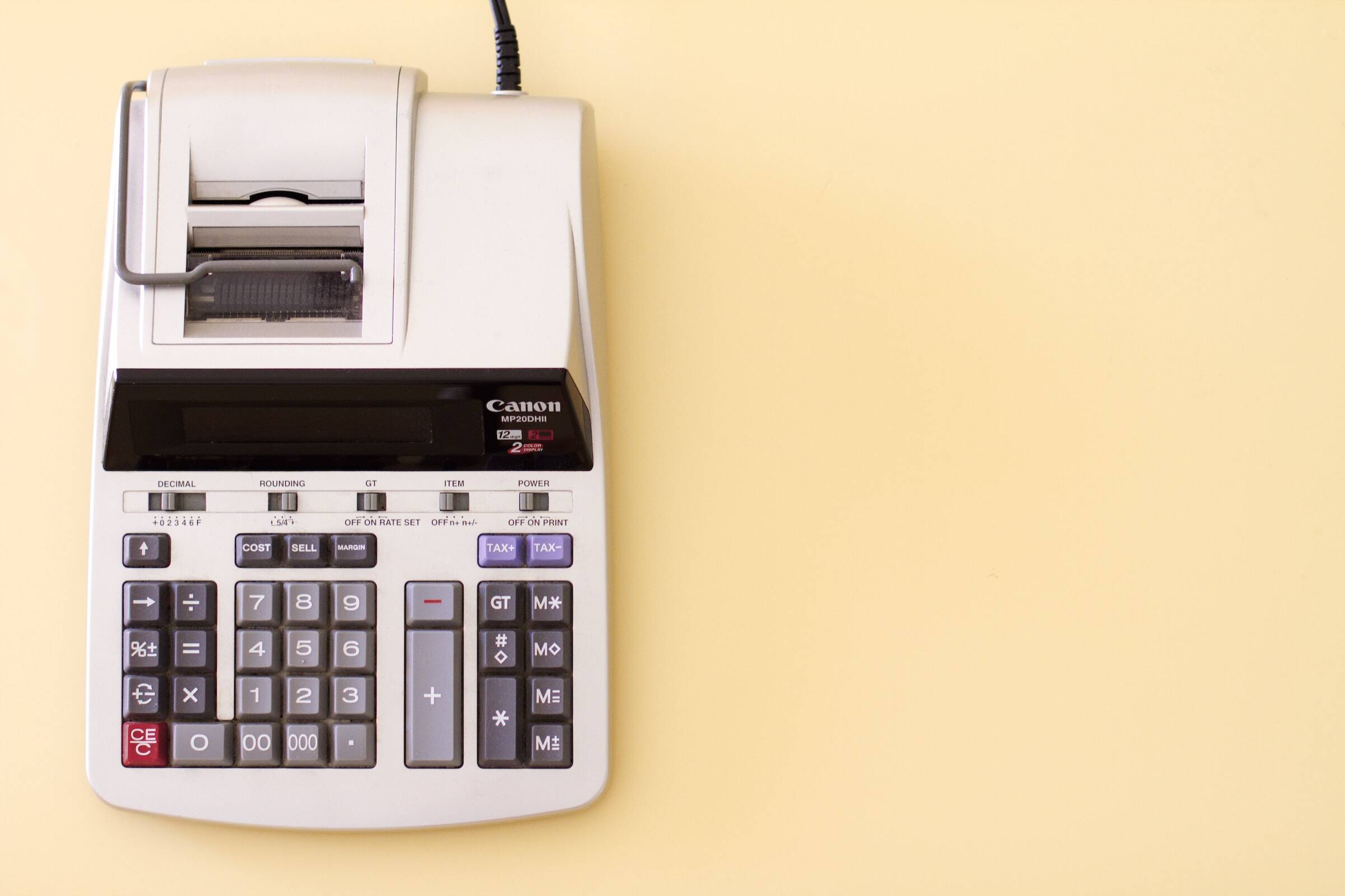
In another bid to encourage taxpayers to go digital, HMRC will scrap Form VAT1, which is currently used to apply for VAT registration by post. From 13 November, new VAT registrations will need to be completed using the online VAT registration service. It is hoped that this will speed up the processing of VAT registration, although currently only 80% of online applications are processed within 40 working days.
Businesses that are “digitally excluded” can still use the paper form but will need to call the VAT helpline and explain why they are unable to complete the registration online. Where such businesses are represented by an agent, the agent is still required to use the online VAT registration service. A minority of businesses, such as those without a UTR or non-UK partnerships, are not currently able to use the online VAT registration service, and should also call the VAT helpline to obtain a paper form. HMRC is working to include all businesses within the service and will cease to issue paper forms to them once this becomes possible.


 This website uses both its own and third-party cookies to analyze our services and navigation on our website in order to improve its contents (analytical purposes: measure visits and sources of web traffic). The legal basis is the consent of the user, except in the case of basic cookies, which are essential to navigate this website.